The Copenhagen and LA-based music collective is partnering with a clinical psychologist to foster healthier relationships and stronger collaboration across its roster.
The standard industry response to the mental health conversation goes something like this: acknowledge the problem, point artists toward a resource, move on. ColliderScopeCollective has done something more structurally uncomfortable. It has turned the lens inward.
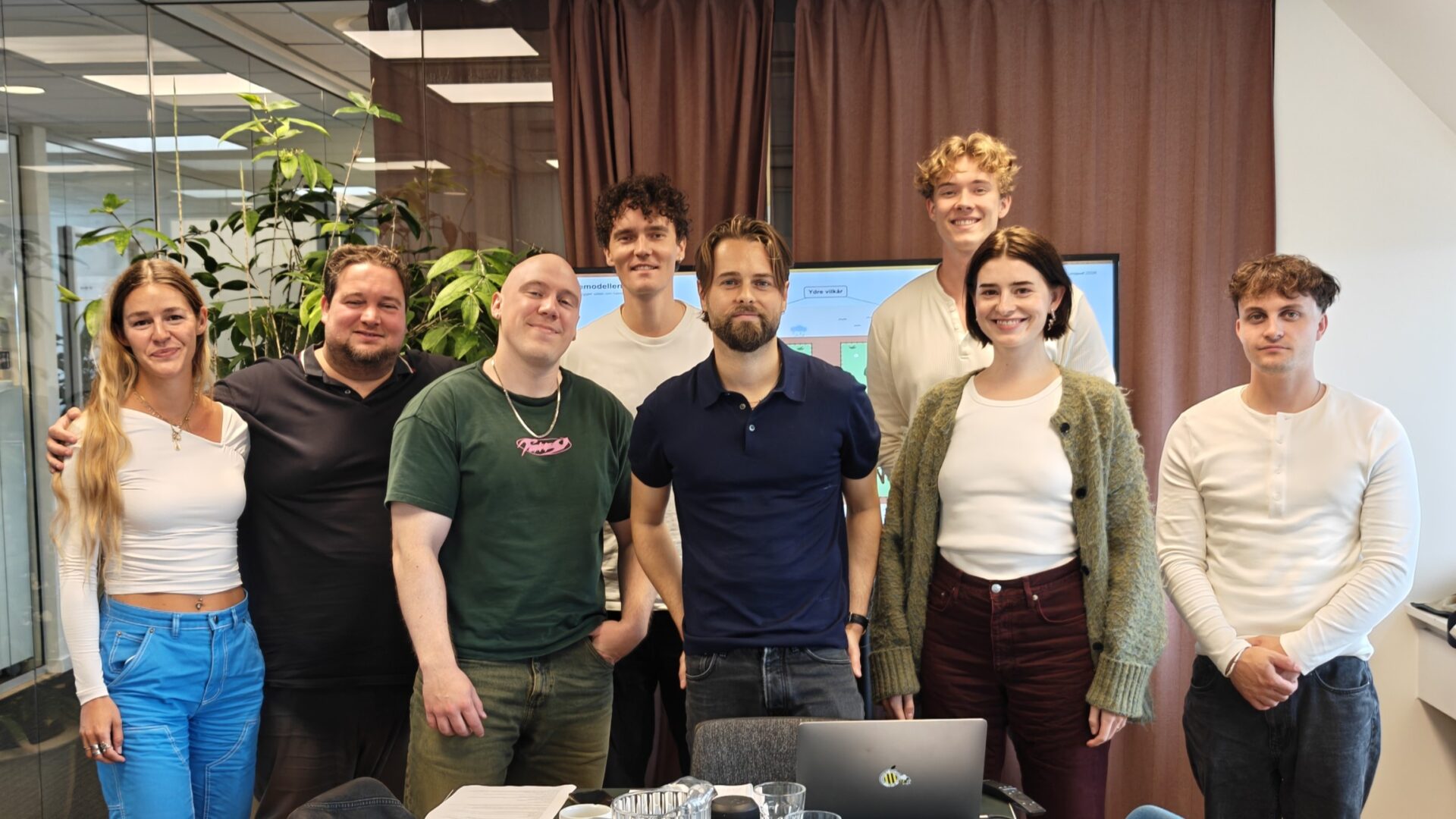
The Copenhagen and Los Angeles-based publisher, manager and producer collective — whose credits span Kendrick Lamar, Taylor Swift and Omar Apollo — completed its third workshop with clinical psychologist Simon Gents of Stem Sindet in August 2026. The sessions are not a benefit offered to artists on the roster. They are part of the operating model. Joining CSC now means sitting in a room with a psychologist and the people you will be making music with, and doing the work of figuring out how to actually communicate with each other.
The distinction is worth pausing on. Most industry wellness initiatives are downstream interventions — support offered to individuals after the conditions have already done their damage. What founder Simon Dilling is building is something upstream: an attempt to change the conditions themselves, before the damage accumulates. “Growth for us starts with strong relations, and that’s the part we take seriously,” he says. “The thing that makes it hold is not the contracts. It’s whether people can say the true thing to each other about a song, a mix or a plan.”
That LA roster is substantial. Jacob Spitzer and Mark Kraus, who work together as Micro.wav, bring Grammy and Latin Grammy recognition alongside engineering credits for Kendrick Lamar, Taylor Swift, Green Day and Omar Apollo. Breyer White has over 250 releases and a forthcoming Netflix sync. These are not artists who need convincing that the work matters. The question Dilling is asking is whether the infrastructure around the work — the relationships, the communication, the collective capacity to tell each other the true thing — can be built with the same intentionality as the music itself.
Songwriter Miriam Majcherek’s framing of the sessions is the most useful corrective to the assumption that psychology in a creative workplace means softness: “Having a psychologist inside how we work does not make things softer. It makes it more honest and constructive.”
The engagement runs through 2027. Beyond the collective itself, Dilling and Gents are now in early discussions about presenting the model externally — giving talks together about what happens when a music company treats relational health not as a pastoral concern but as a structural one.