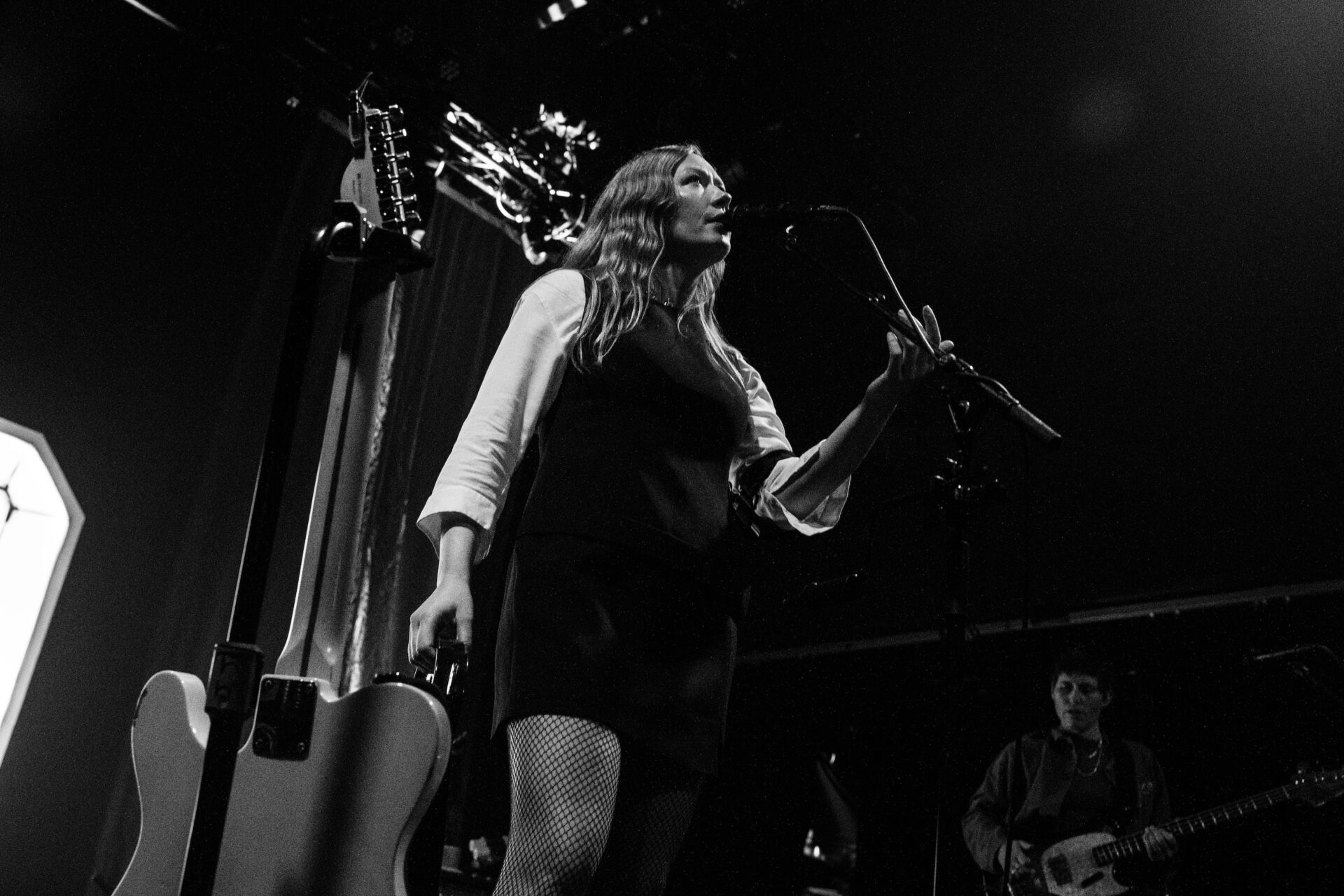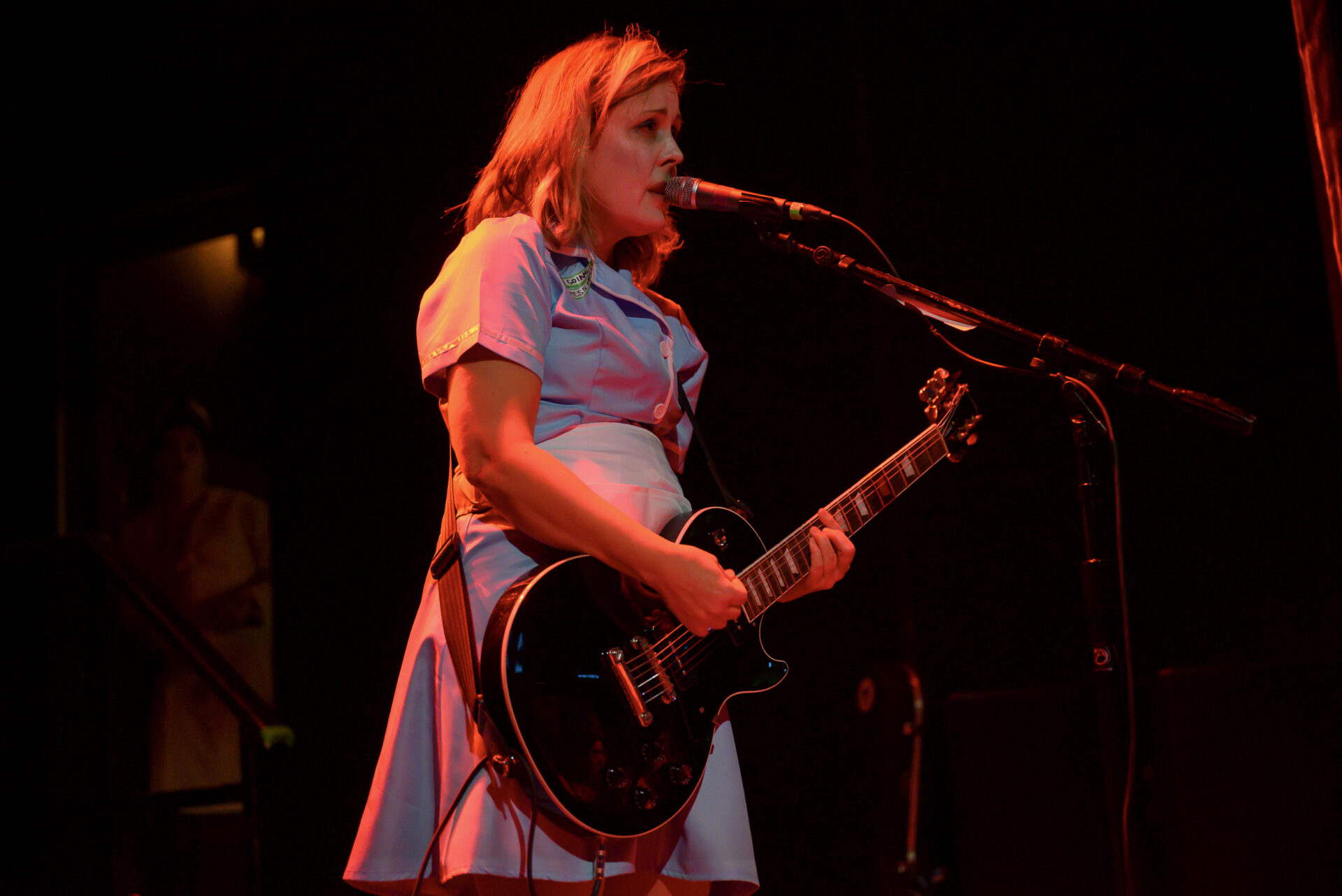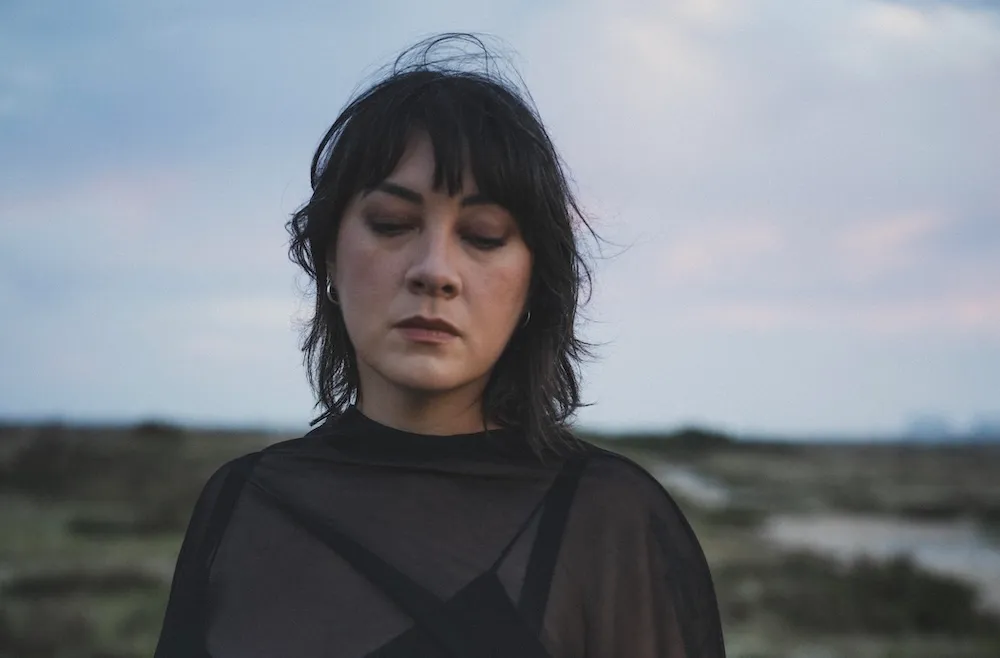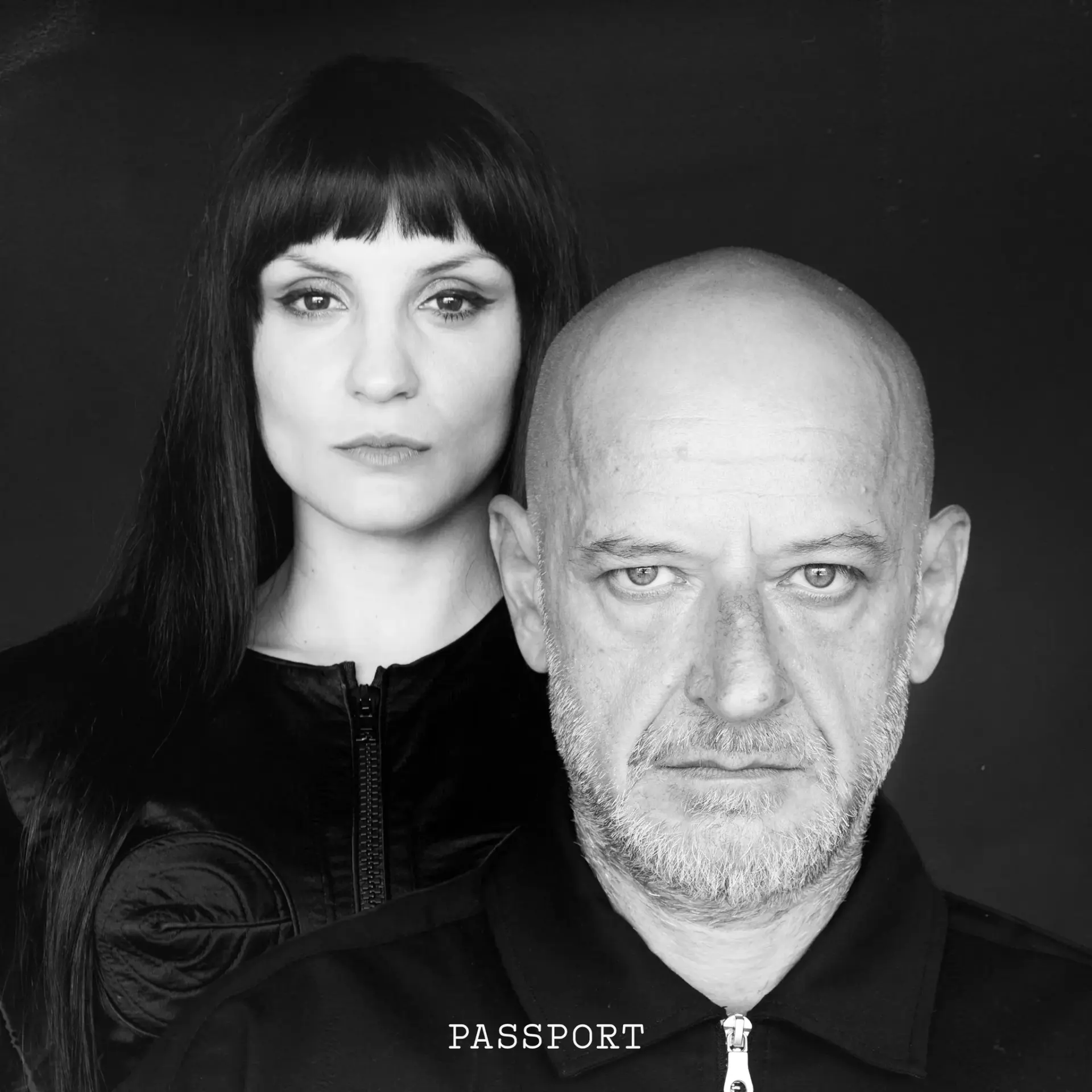

The Seattle-based psychedelic cumbia project’s new LP arrives on June 12 via Share It Music
Warm weather is here and what better way to celebrate it with danceable tunes? Terror/Cactus will be the ones to get that going. Helmed by multi-producer/musician Martín Selasco, this latin-infused funk dripping with layers of psychedelic acid rock begs the nervous system to jolt awake. At the end of this week, June 12th, their latest album Colapso via Share It Music (pre-order here) will be available for fans to get down with. Thankfully, two singles have since been released to offer a pleasant appetizer to their magic.
The best of the two singles, “Discoteca Fugitiva,” is an easy-to-digest tune from the start. Excellent beats lead the listener in, immediately followed by comforting guitar solos that welcome peaceful revelry. At the 1:15 minute mark, the gears change to unleash a rhythmic energy that lifts one up another level. There is another floor now and the beat encourages further movement down the halls. There is no fear or discomfort, it is meant to challenge the listener, but keep them in a safe place all the same. It is a memory, present of current possibilities of shared artistry. The power of creation across all sounds and forms allows for art to shine and collaboration to ensue.
Martín was more than happy to share his process, explorative mindset and empathetic wishes for the future.
What themes aided you in this new body of work? Was there a historical, cultural, or emotional element that helped you?
Themes of resistance and reinvention were at the heart of this record. I was inspired by rebellious and underground cultural movements—the kinds of scenes that create something meaningful outside of the mainstream. Musically, that led me toward live drums, breakbeats, jazz influences, and Latin American rhythms, all woven together through a cinematic approach to storytelling. I’ve always loved the atmosphere of bank-heist films: the urgency, the improvisation, the feeling that something is at stake. At the time I was making the album, there was a lot happening in the world—attacks on our immigrant communities, war, and a growing sense of division. I wanted to create something that felt both disruptive and unifying, something that challenged people while also bringing them together. I wanted the record to feel alive and restless.
What memorable moment from the production of this work do you cherish and why?
One of the things I enjoyed most about making this album, compared to my previous records, was getting to work in the studio with session musicians who have been part of the Terror/Cactus live band over the years. A lot of my earlier albums were created in isolation or with remote collaboration, but with this record I wanted to capture the energy and interplay of a live ensemble—full drum kit, percussion, bass, guitar, and winds—while still weaving in the textures and sonic details that I love about electronic music. The process felt much more dynamic, and that energy really made its way into the recordings.
What hope do you have for 2026 that you think is needed in the music space?
My hope for 2026 is that we shift away from a culture of social media and back toward real human connection. Some of the most powerful musical experiences happen when people gather in the same room and share something together. I’d love to see more emphasis on live performance, improvisation, dance, and collaboration. More listening parties, more local shows, more people discovering music through friends instead of feeds.
Is there an ideal band or artist you would love to collaborate with in the future, and why?
I’d love to collaborate with artists like Milo J or Broke Carrey. I love how they’re bringing Argentine folk influences into contemporary music in a way that feels fresh and authentic. I’ve explored similar ideas in my own work through electronic malambos, milongas, and zambas, as well as bass-heavy interpretations of Andean rhythms like huayno, so I feel a connection with what they’re doing. It would be amazing to explore that shared territory together and see where those worlds could meet.
What advice would you give musicians just entering the space that you wish you had known prior?
Beyond the music itself, I think it’s incredibly important to build community. It takes time to find your voice, and it takes time to find the people who truly connect with what you’re creating. Some of the most meaningful opportunities for me have happened through relationships and collaborations. My advice would be to keep experimenting, stay curious, and collaborate with others. The music industry can feel competitive at times, but building genuine community is one of the most rewarding paths forward.