Sounds, visual aesthetics & exact gear collide to replicate the iconic rock band’s live aura
As Oasis continue their long-awaited reunion, interest in the Gallagher brothers’ legendary catalog has reached a fever pitch once again. For fans unable to make it to one of the band’s stadium dates – or simply looking to relive the magic – Oasis Supernova has built a reputation as one of the world’s premier Oasis tribute acts, recreating not only the songs but the unmistakable swagger, spectacle, and atmosphere that made the original band one of Britain’s defining rock groups.
Featuring an expanded lineup complete with live brass, harmonica, period-accurate instrumentation, and an immersive visual production inspired by iconic Oasis performances, Oasis Supernova has earned praise for delivering an experience that goes far beyond a standard tribute show. We caught up with the band to discuss the challenges of faithfully recreating Oasis’ live legacy, the resurgence of younger fans, and the painstaking attention to detail that goes into every performance.
Beyond the music itself, how do you handle the pressure of replicating the specific visual aesthetics and stage chemistry of Oasis to satisfy long-time, die-hard fans?
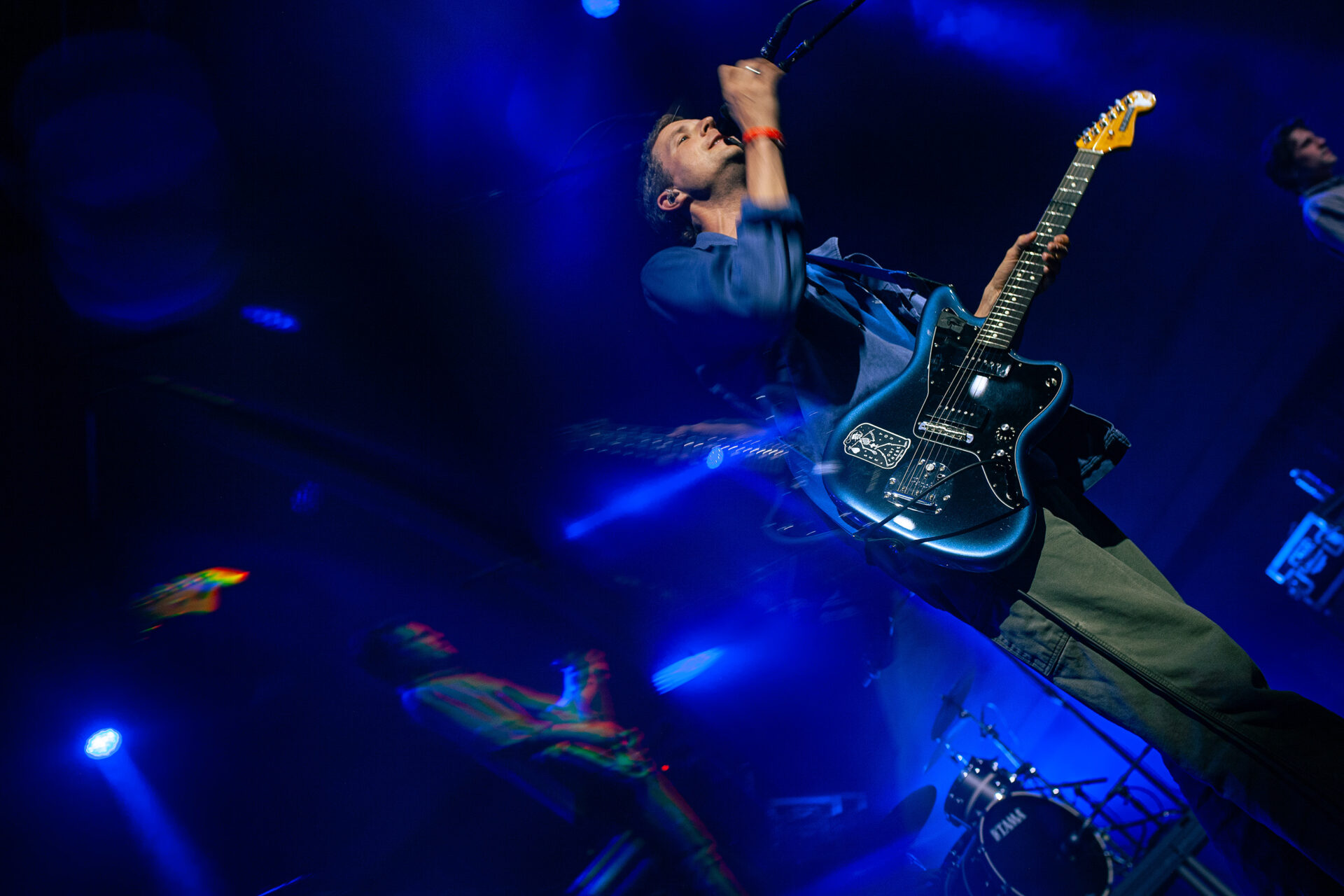
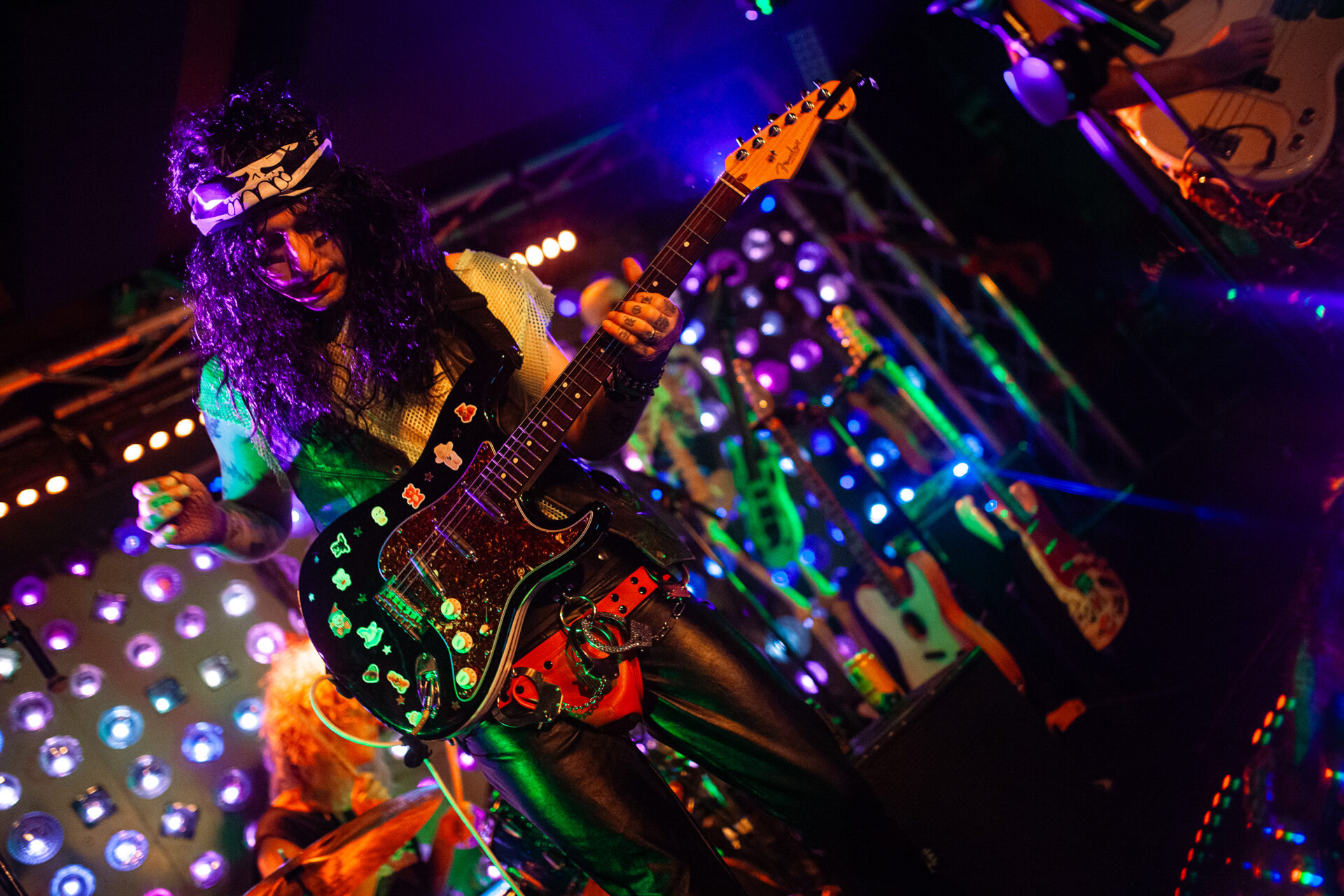
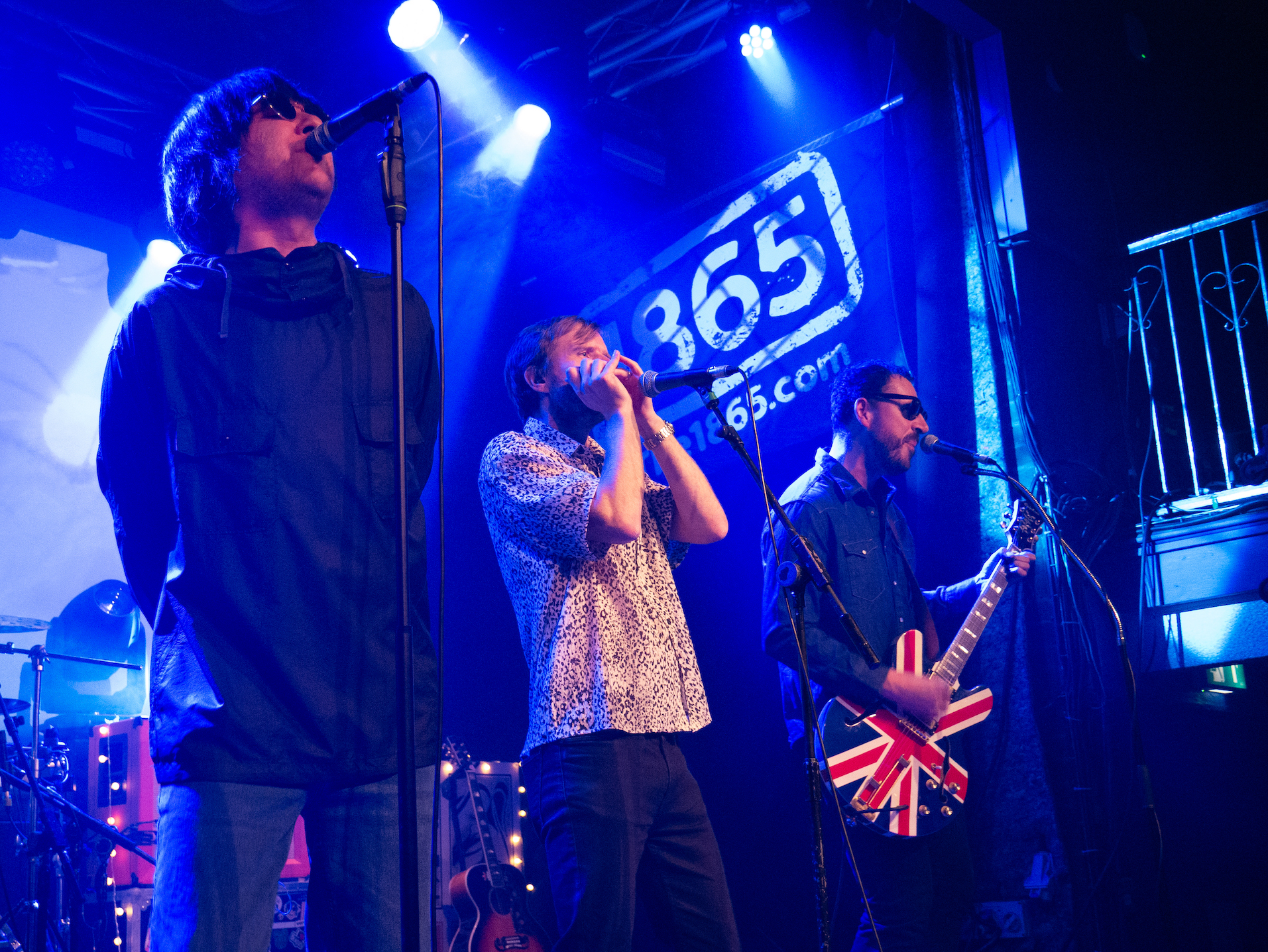
The visual side of Oasis, is a huge part of the experience: what’s playing on the screen, our cues, posture, clothes and how we interact with the crowd and each other. It’s not about pure imitation, but capturing the electric energy of an Oasis show. If the crowd feels like they’re at an Oasis gig, even for a moment, that’s the point.
You’ve mentioned that your orchestral elements—the brass, strings, and harmonica—are key to your show; how do you balance integrating those complex arrangements while maintaining the raw, high-energy rock feel that defines the Oasis live experience?
The orchestral elements are a huge part of Oasis’s legacy: Earl’s Court, Maine Road, Knebworth. But the core is still a live and loud rock ‘n’ roll band. We arrange the brass, strings, and harmonica from the best Oasis versions. They lift the songs, not get in the way of them. Nobody else does it like us, or goes to the lengths we do.
With the surge in younger fans attending your shows post-reunion, have you had to adapt your setlist or on-stage dynamic to bridge the gap between classic Oasis devotees and this new, rowdier generation?
The younger fans bring a different energy— they’re louder, livelier, and they make it feel like it’s 1994 again. But the older generation of fans bring it just as much, and together they lift the whole room. We haven’t changed what we do. The set still covers every era with the big anthems, along with some deeper cuts for every generation of fan.
You have invested significantly in replicating the ’Live ‘25’ equipment setup—what was the biggest technical challenge in sourcing or configuring that gear to meet your production standards?
Half the battle is figuring out exactly what Oasis are using from photos and videos of the tour. Then you’ve got to track the gear down and make it all work together properly. It’s a bit obsessive, but that’s the level we think it deserves.
While you focus on being the most authentic experience possible, how do you manage the “tribute” label? Is the goal to eventually transcend being a tribute act, or is that authenticity always going to be the core identity of Oasis Supernova?
We’re authentic as an Oasis tribute band because we’re Oasis fans first. We’re not pretending we’re the real thing, but if you can’t get to an Oasis gig—or you just want to relive it—we’ll give you the closest experience there is. Like The Bootleg Beatles do for Beatles fans, and No Way Sis did in the ’90s, we want to be the Oasis tribute band for the fans.
When you are touring larger venues and academies, how does the increased scale change the way you interact with the crowd compared to the more intimate club shows you started with?
In a club, it’s personal — you can see every face and every reaction. In a bigger venue, it becomes about the whole room moving together. The atmosphere becomes communal, and that’s exactly what Oasis gigs are all about.
When thousands of people are doing the Poznan to “Cigarettes & Alcohol” or singing “Don’t Look Back in Anger” back to you, it doesn’t get much better than that. Check out our socials, and you’ll see.
You’ve been operating with a model of roughly 20 shows a year to balance life, work, and the band; what is the main driver for deciding which cities or regions get prioritized for those limited dates?
We all have jobs and families, so we focus on places where there’s genuine demand and where the production can be delivered properly. We’d rather do fewer gigs and make them memorable.