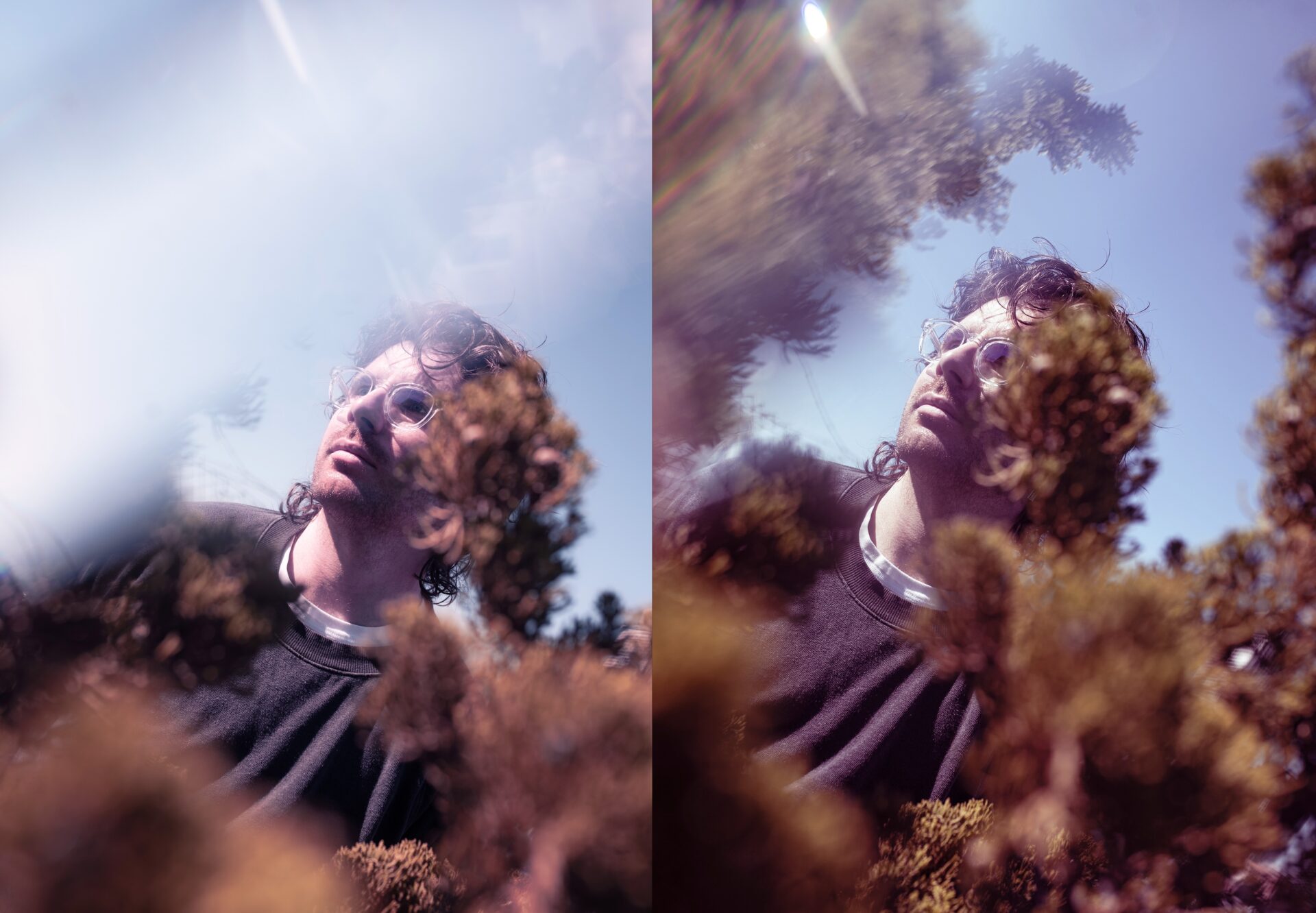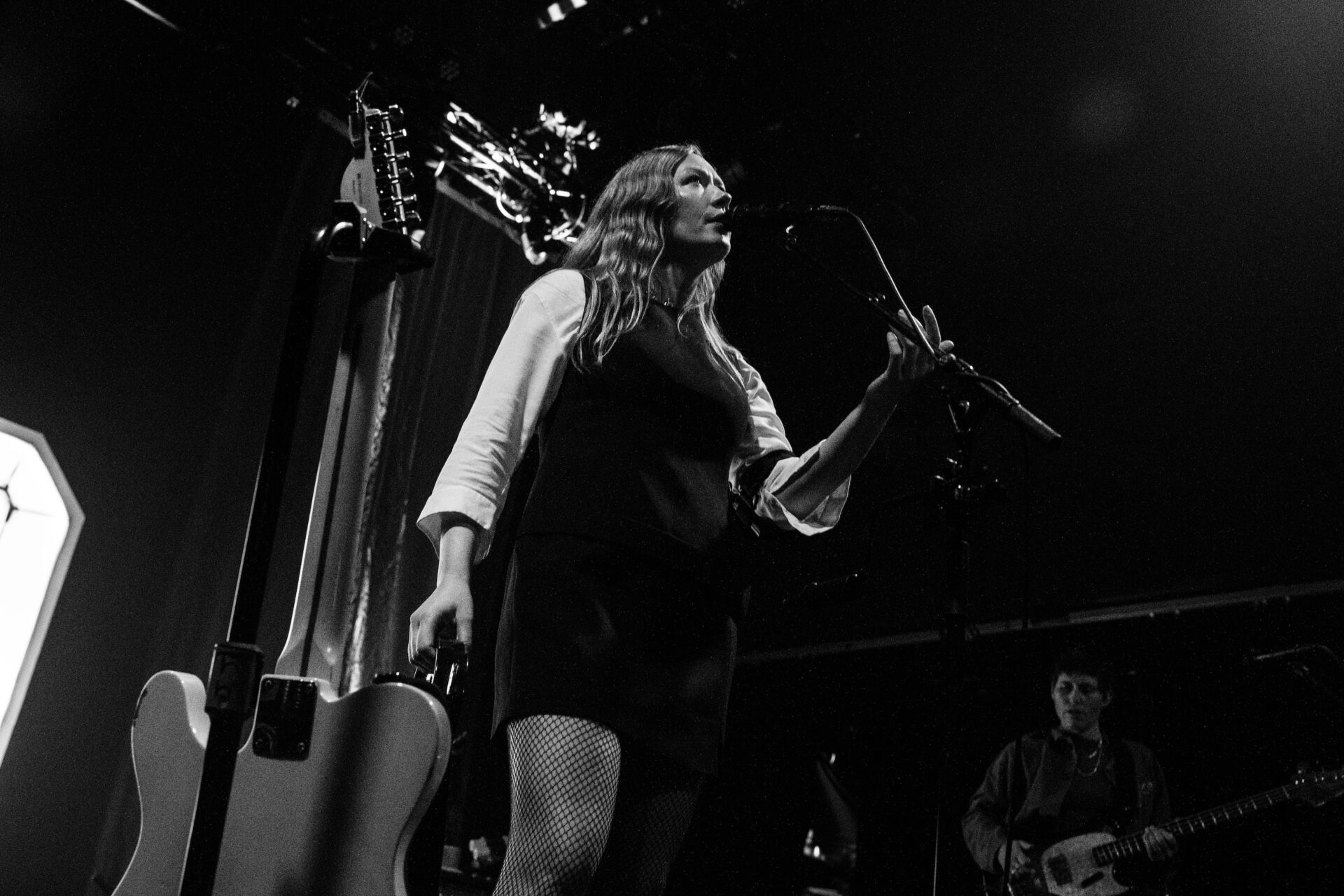
The indie singer-songwriter draws inspiration from ’90s alt-rock & finds connection through music education & live performance
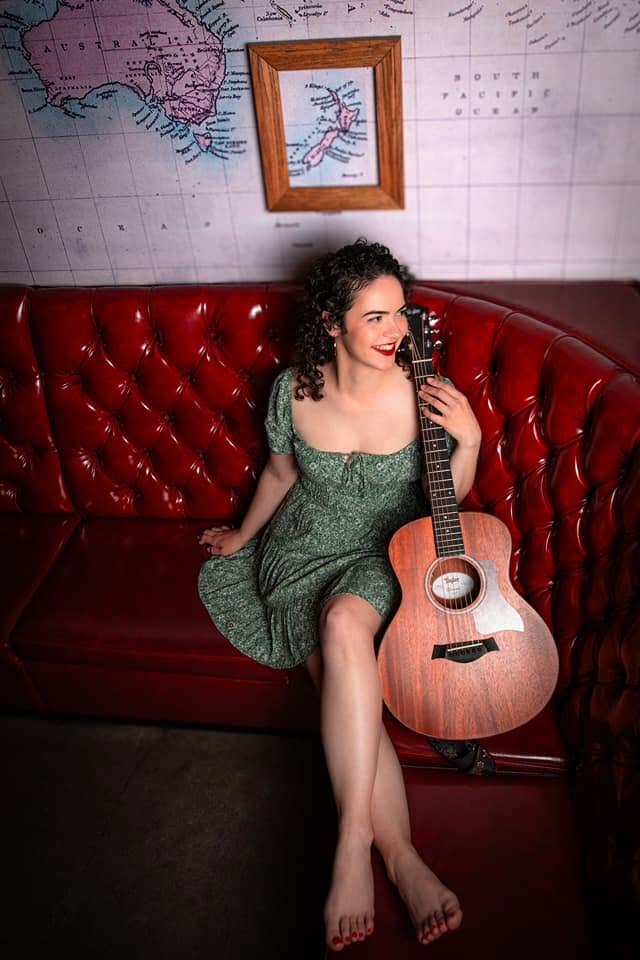
About three years ago, Impose was fortunate enough to connect with the majestic musician, r.vega on her last single release, “Game of the Heart”. This time around, she has finally graced listeners with her Daybreak EP, which expands her sound and then some. With her poise, attention to detail, and pure dedication to the craft, it is clear that she is a talent that honors the medium.
Key track “Back to the Start” really gives off the inspiration she mentions with the powerful leading vocals and guitar riffs. It is pure testimony that revolves clearly in your universe. Her thrill lies within the passion she clearly embodies. The songwriting is intimate without feeling too exclusive. Listeners are soothed with her cooing around the two-minute mark that offers a break and welcomes the horns to follow. The rousing song is short yet memorable as she defines this fresh era of the r.vega discography. Fans will recognize her persistent sound that has formed a foundation that is being built verse by verse.
Alongside her academic pursuits in the music space, her exploration in collaboration has further highlighted her focus. Readers can examine the full depth of her wisdom in the words below:
What themes did you explore in this EP and why?
In Daybreak, I knew I wanted an expression of the genres I love to listen to and cover in my performances, while telling my own stories and personalizing them with my own unique musical skill set. I’ve always been a fan of the girl-power 90s alt-indie rock artists and groups like Alanis Morrissette and The Cranberries, while simultaneously enjoying the nostalgia of the 2000s rock bands like My Chemical Romance, Muse, and The Killers. While most of this EP lives in the indie/indie-rock genre, I certainly have been influenced by a wider variety of music that has made an impression on me throughout the years.
Has anything evolved or changed in your work/style?
In previous releases, I either started the song as a collaborative project from the beginning (“Bloody Red”, “Bloody Hell” and “Game of the Heart”) or I used purely electronic instruments and vocals (“Keeping On”). In developing early concepts of Daybreak, I knew I wanted it to be more purely mine and “hand-made” in every way: the stylistic influences, the stories each song tells, and the energy I wanted each track to portray. Having performed live for several years after releasing “Game of the Heart,” I got to know myself better as an independent artist, and the type of music I really wanted to create. I wanted to deviate from the electronic genre and lean more into an indie-rock band instrumentation.
I also wanted to center my songwriting on the philosophy that the artist Seal once described when it came to creating his own songs: “…I’ve done a bunch of sessions where I’ve stripped everything away, except for either a guitar or a piano and a vocal. And my approach is, I have to be able to make that work from beginning to end with no other elements” (Ep. 241 on Sodajerker on Songwriting). Since I frequently perform solo with my acoustic guitar and vocals, I stuck with that central idea and wrote all of these songs with just my voice and guitar. Once I had the core of the songs down on guitar, I formed a more fleshed-out idea of the sound that I wanted for each song in very basic demos from my home studio on Logic Pro. I really finalized things once I brought together the other musicians to perform each part on the tracks. This process I pursued is different from any of the previous songs I’ve released over the years because I knew I wanted that flexibility of performing it live solo, as well as having that option of performing amplified with a full band, as I originally envisioned when writing most of these songs.
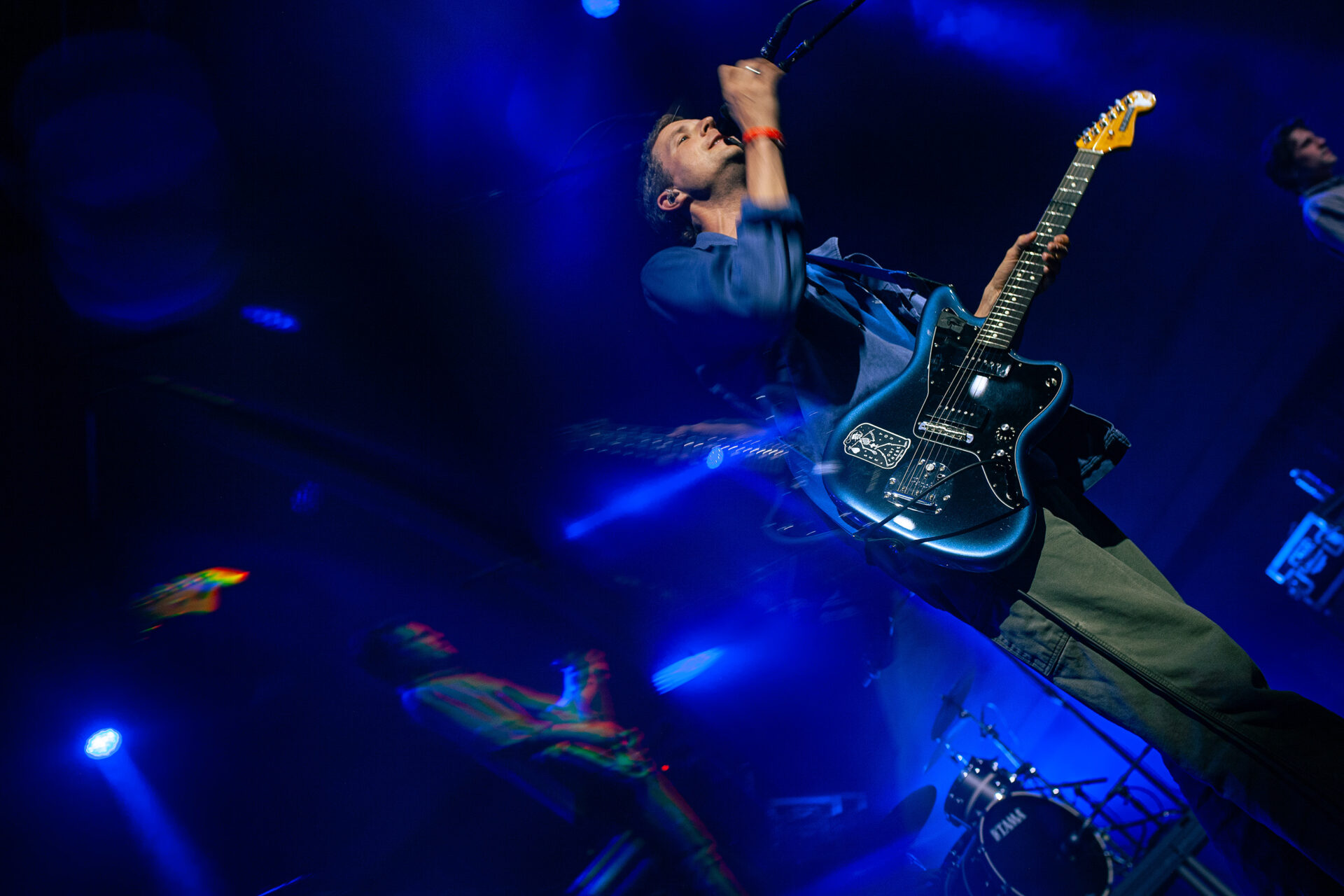
Speaking of full band, in my time performing between the release of “Game of the Heart” and this EP, I had the immense privilege of meeting and getting to regularly perform with other talented musicians. I feel so lucky that they were all excited and willing to help me with recording these tracks, as well as performing them live at the EP premiere. With each of them having their own original music composition experience, they understood what I was asking for, and knew the work required to see my project through to its completion. Richard Rodriguez (lead guitar), Corbin Dodd (bass), and Nick White (drums) gave their time and talents to rehearse and perform these tracks as I wanted them to sound, and I am forever grateful that they helped make this EP a reality.
What ideal musical collaboration do you wish you could have down the line?
I personally love and welcome all collaborations. Exploring new genres through collaboration outside of my “comfort zone” is so fun! Obviously, a dream opportunity would be collaborating with someone like Phoebe Bridgers, or Laufey, or Couch, or Jacob Collier….But closer to home, I think a collaboration that would excite me the most would be with a large ensemble, specifically a wind band. I’ve seen collaborations with artists and orchestral ensembles, but I think there is untapped tonal exploration available in the blending of wind ensemble and “modern band” (as it’s commonly referred to in the music education world). It would be really interesting and a fun, new challenge.
Does your work in the academic music space influence your progress? What elements of your life inspires you?
I feel like I could talk about the interconnection between my academic music career and my performing and songwriting artist career for a long, long time, but I’m not sure there is enough space in this article to cover all of my thoughts.
Ultimately, my work in one area of my music-making life positively influences the other. There are multiple aspects to this, but most importantly for me is that my work as a performing artist directly improves my work as both a conductor and music educator, and vice versa. When instructing the sound, form, and style for my original songs, I had to really be able to break it down outside of the traditional music notation that I work with day-to-day in my academic music space. And, being able to break down concepts to their most simple, easily-digestible form is key for teaching! I truly learned so much when having to do so in a creative project, while also utilizing the strong music educator skills I already had.
Just like knowing exactly how I want my song performed and arranged in a rock band setting, I have to have all or most of those creative decisions made ahead of that first rehearsal when rehearsing and conducting a large ensemble. No matter the group, if I am leading them musically, I have to lead with the vision of what I want the sound to be and how to translate that for the musicians to understand outside of what is written on the page, with the main goal being that the audience receives the intended vision. I should add, however, while on different scales, I invite collaboration and feedback in both areas of my music life. I am always open to the possibility I may miss something that might add excitement or beauty to a piece of music we are preparing, but gaining input from the other musicians during the process makes performing the music that much more fulfilling because it then becomes more than what I originally imagined.
Regarding inspiration….in my academic music space, I am surrounded by incredibly bright and talented colleagues and students. I have colleagues who have done amazing collaborative projects that I greatly admire, while simultaneously, the students I get to teach impress me as well. I am so thrilled to see the number of students that are involved in other music activities outside of either the marching band or the wind symphony, and they often pick up additional instruments – like myself – to do so. And, hardly any of them are music majors! They just love making music for the sake of music. Seeing the inherent love of making music by my students really reinforces my desire to keep doing what I’m doing outside of my academic music space.
Outside of that, the musicians on my EP are not full time musicians, but are some of the most talented musicians I’ve ever worked with in my career. Just like the students I mentioned, these guys play and practice for the joy of music-making, and the passion for original projects. My husband, who is also a talented drummer himself, plays with our group of friends for the love of it. So, as far as inspiration, I’m very fortunate enough to encounter it in my day-to-day life, both at home and in my academic work.
What hopes do you have for the music world going forward in 2026?
I hope we shift back into focusing on quality live performances versus only-curated-for-social-media content. As a small independent artist, I understand the social media presence requirement to have somewhere for people to find me and learn who I am. But,I love what Phoebe Bridgers has done this year with her small venue shows, specifically the limited advertising and a no-phone policy during the performance. It shows that people really do value the opportunity to be a part of something unique, authentic, and high-quality. It reminds me of what I’ve seen while performing in venues with the right atmosphere: no-to-low phone usage, with people there to just listen to music, have drinks, and enjoy the company of each other. Seeing people come together is my favorite part of being a musician, and I look forward to fostering human-connection through music for many years to come.